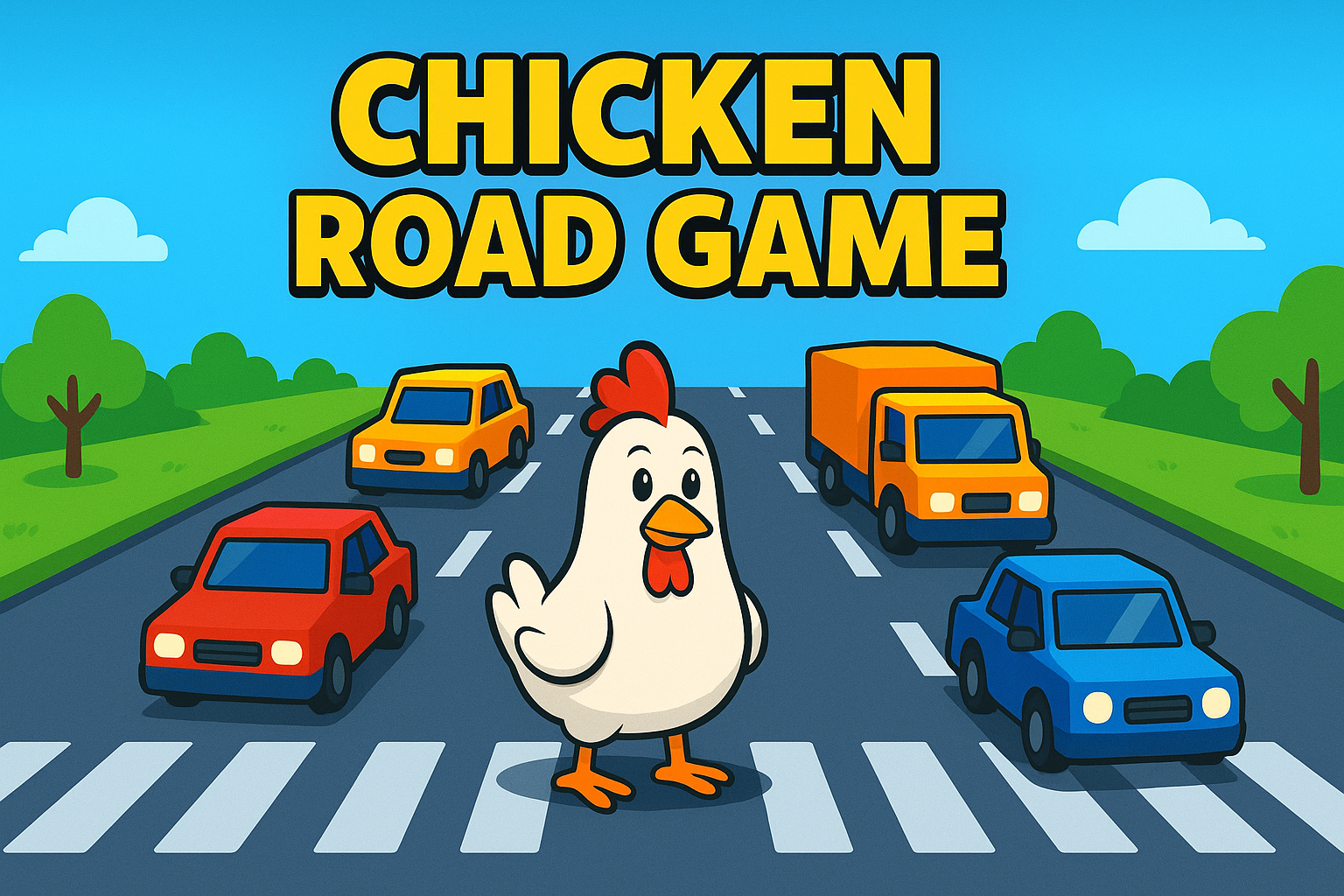
In a world ruled by screens, chicken road, the UK finds joy in the Chicken Road Game, commemorating its human connection and community spirit. Participants gather, laughter echoes through the air, and camaraderie blooms as they take part in friendly competition. This game does more than delight; it strengthens social bonds among friends and families. What is beneath this playful surface, however, is a profound reflection on society’s need for genuine interaction and togetherness in an increasingly isolated environment.
The Origins of the Chicken Road Game
Though the exact origins of the Chicken Road Game stay unclear, it’s widely believed to have arisen in the mid-20th century as a manifestation of youth rebellion and risky behavior. This unorthodox game encapsulated a growing discontent among young people, pursuing thrills and claiming independence. During a time of social upheaval, the game reflected the era’s push against conformity and traditional values. Participants, often spurred by a desire for camaraderie, challenged societal norms through dangerous competition, where bravery and wit became key. The game’s appeal lies in its simplicity and the adrenaline that is part of its inherent risks. As it gained popularity, it triggered debates about risk-taking, responsibility, and the complexities of adolescent expression, cementing its place in youth culture.
How the Game Is Played
As participants gather on the roadside, the Chicken Road Game unfolds in a thrilling dance of bravery and strategy. The rules are simple yet demand sharp instincts; players take turns crossing a specific stretch of road while others attempt to divert or disconcert them. Timing becomes crucial; players must gauge the speed of approaching vehicles, modifying their pace to avoid danger while maintaining an air of composed confidence. Success hinges on rapid decision-making and mental fortitude—players need to balance danger and benefit. The atmosphere buzzes with tension as spectators cheer and gasp, creating an electric ambiance. Each round reveals unique tactics, nurturing a spirit of rivalry that keeps veterans honing their craft and newcomers enthusiastic to learn the intricacies of this thrilling game.
The Social Benefits of Playing Together
While players steer through the exciting challenges of the Chicken Road Game, they also foster a sense of camaraderie that extends beyond the game itself. Involving together promotes teamwork, as participants must strategize and communicate effectively, enhancing interpersonal skills. The shared excitement creates lasting memories, reinforcing connections among friends and family. These moments of joint problem-solving spark a healthy sense of competition, promoting perseverance and adaptability. Additionally, when players experience triumph or defeat side by side, they develop empathy and support for one another, building stronger relationships. Essentially, the Chicken Road Game serves as a vibrant social fabric, weaving individuals together in a mosaic of shared experiences, emotional growth, and delightful interactions. These social benefits enhance their lives, making every game unforgettable.
Community Events and Competitions
Community activities and tournaments surrounding the Chicken Road Game have changed local neighborhoods into lively hubs of engagement and excitement. Residents gather in parks and community centers to engage in spirited tournaments, cultivating a deep sense of camaraderie. These gatherings often feature local food vendors and live entertainment, elevating the festive atmosphere. Participants of all ages engage in friendly competition, which not only sharpens their skills but also fortifies community bonds. Observers cheer on their favorites, creating a supportive environment that encourages inclusivity. Furthermore, these events have sparked interest in organized leagues, fostering regular interaction. Ultimately, the success of these events demonstrates the Chicken Road Game’s capacity to unite communities and foster a palpable sense of joy and connection among diverse participants.
Embracing Family Time in a Digital Era
In a world increasingly influenced by screens, families are finding creative ways to reconnect through activities like the Chicken Road Game, which provides a rejuvenating break from digital distractions. This simple yet captivating game encourages meaningful interaction, encouraging laughter and conversation that often eludes families in their daily routines. By stepping away from technology, families enjoy the tangible joy of shared moments. With each playful competition, participants solidify bonds, improving empathy and understanding. The Chicken Road Game demonstrates how traditional pastimes can counterbalance modern life’s frantic pace, nurturing a sense of togetherness. In adopting such activities, families aren’t just playing games—they’re committing in their relationships, discovering that genuine connection flourishes in the laughter shared beyond screens.
Conclusion
In a universe increasingly controlled by displays, the Chicken Road Game appears as a charming reminder of the happiness found in in-person communication. This captivating contest not only sparks laughter and creativity but also encourages stronger connections among participants. As friends and relatives assemble to play, they reinforce their bonds, nurturing a sense of community that overcomes the virtual divide. In the end, the Chicken Road Game celebrates the power of unity, ensuring that human interaction remains at the core of daily life.